
Call: 08045816653
 Send Inquiry
 Send Inquiry
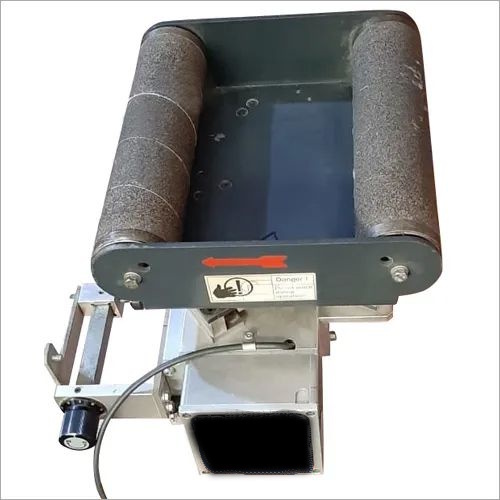
Edge Guide System
Price 100000.00 INR/ Set
MOQ : 1 Set
Edge Guide System Specification
- Usage & Applications
- Web guiding in printing, packaging, textile, paper, and converting industries
- Diameter
- Roller Diameter 50mm to 120mm (for guiding rollers)
- Lubricating System
- Self-lubricating Components
- Drive Type
- Servo/Stepper Motor
- Motor Power
- 60W or as per Model
- Surface Finish
- Anodized/Polished
- Size
- Standard & Customized Sizes
- Features
- High Precision, Easy Installation, User-Friendly Interface, Maintenance Free
- Capacity
- Handles Web Widths from 100mm to 2500mm
- Noise Level
- <60 dB
- Shape
- Rectangular Mainframe
- Product Type
- Edge Guide System
- Material
- Mild Steel, Aluminum Alloy
- Technology
- Automatic Sensor-Based
- Power Source
- Electric
- Power
- 45W - 250W
- Voltage
- 220V AC
- Pressure
- Pneumatic, 3-7 bar (if applicable)
- Surface Treatment
- Powder Coated
- Dimension (L*W*H)
- Customized as per model, e.g. 350mm x 180mm x 120mm
- Weight
- 12-30kg depending on model
- Color
- Silver/Grey with Black Components
- Input Signal
- 24V DC, Analog
- Humidity Range
- Up to 85% RH
- Response Time
- <5 ms
- Protection Class
- IP54
- Mounting
- Side or Top Mount
- Compatibility
- Works with various rewinding & unwinding systems
- Operating Temperature
- 0C to 55C
- Alignment Accuracy
- 0.1 mm
- Control Panel Type
- Digital Touch Screen or Analog
- Sensor Type
- Ultrasonic / Infrared / Photoelectric
Edge Guide System Trade Information
- Minimum Order Quantity
- 1 Set
- Payment Terms
- Cash in Advance (CID)
- Supply Ability
- 5000 Sets Per Month
- Delivery Time
- 10 Days
- Sample Available
- Yes
- Sample Policy
- If order is confirmed we will reimburse the sample cost
- Packaging Details
- customize packing
- Main Domestic Market
- All India
About Edge Guide System
Specification| Maximum Adjustment Speed | 100 to 350rpm |
| Brand | SEW, BST, E+L ALL BRAND LIKE YOU |
| Stroke Length | 150mm to 200mm |
| Usage/Application | Printing, laminate machine, coating machine, pouches machine, Rewinder, umwinder, slitter machine. |
| Controller Size | Any size which use to centre to centre guide. |
| Input Supply | 230v |
Advanced Sensor Technology for Precision Alignment
Utilizing ultrasonic, infrared, or photoelectric sensors, the Edge Guide System automatically detects and corrects web misalignments with remarkable speed and accuracy. This technology ensures high precision-up to 0.1 mm-resulting in superior product quality and reduced material waste in demanding industrial applications.
Adaptable Design and Easy Integration
The system's versatile mounting options-side or top-and customizable dimensions make it suitable for a wide variety of rewinding and unwinding systems. The user-friendly digital touch screen and analog control panel cater to different operator preferences. Its IP54 protection and robust construction withstand harsh environments, making installation and integration seamless.
Reliable Performance and Low Maintenance
Designed with self-lubricating components and a noise level under 60 dB, the Edge Guide System operates quietly and efficiently. Its maintenance-free architecture, combined with an automatic sensor-based control and easy-to-use interface, minimizes downtime and boosts productivity for industries reliant on consistent web alignment.
FAQ's of Edge Guide System:
Q: How does the Edge Guide System ensure accurate web alignment?
A: The system utilizes advanced ultrasonic, infrared, or photoelectric sensors that continuously monitor the web position. If misalignment is detected, the high-speed feedback loop (response time <5 ms) initiates precise servo or stepper motor adjustments. This process consistently maintains an alignment accuracy of 0.1 mm, even during rapid production cycles.Q: What types of control panels are available, and how are they used?
A: Users can choose between a digital touch screen or an analog control panel, both designed for intuitive operation. The digital option offers a clear interface for parameter adjustments and real-time monitoring, while the analog panel provides straightforward control for those preferring traditional tactile feedback. Both options facilitate efficient setup and operation.Q: When is the ideal environment for installing this Edge Guide System?
A: The system is suitable for environments with operating temperatures from 0C to 55C and humidity up to 85% RH. Its IP54 protection class shields it against dust and water splashes, making it ideal for industrial settings where reliability is required.Q: Where can the system be mounted, and what mounting flexibility does it offer?
A: The Edge Guide System supports both side and top mounting configurations. This allows seamless integration with a variety of machinery for applications such as web guiding on unwinding and rewinding units in printing, packaging, textile, and paper industries.Q: What is the process for integrating the Edge Guide System into existing production lines?
A: Integration is straightforward due to its electric input signal (24V DC, Analog) and standardized interfaces. After securing the unit to the designated mount (side or top), operators connect the electrical and pneumatic (if applicable) lines. The system's compatibility with various web widths, roller diameters, and standard voltages simplifies retrofitting.Q: How does the Edge Guide System benefit industrial operations?
A: The system enhances product quality by maintaining precise web alignment, reducing material waste, and minimizing manual intervention. Its quick response, robust construction, and maintenance-free operation contribute to lower downtime, increased production efficiency, and cost savings over time.Q: What maintenance is required for long-term reliable use?
A: Minimal maintenance is needed thanks to self-lubricating components and a durable, powder-coated frame. Routine checks are recommended to ensure sensors and interfaces remain clean and unobstructed, ensuring optimum performance without frequent servicing.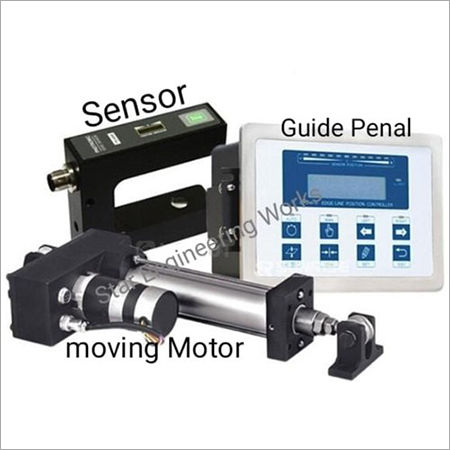
Tell us about your requirement

Price:
Quantity
Select Unit
- 50
- 100
- 200
- 250
- 500
- 1000+
Additional detail
Mobile number
Email

More Products in Web Guiding System Category
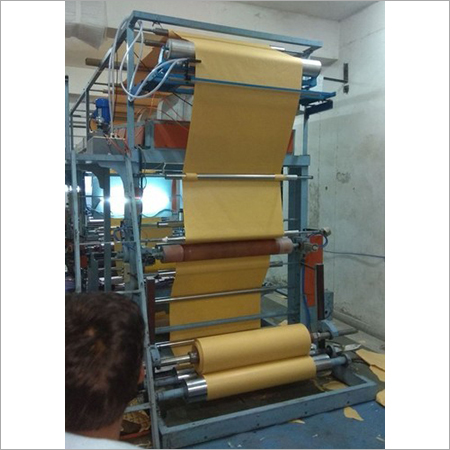
S.Roll Web Guide
Price 45000 INR / Set
Minimum Order Quantity : 01 Set
Color : BlueGrey
Surface Treatment : Other, Powder Coated
Drive Type : Belt Drive
Features : Easy installation, Precise web control, Robust construction, High sensitivity
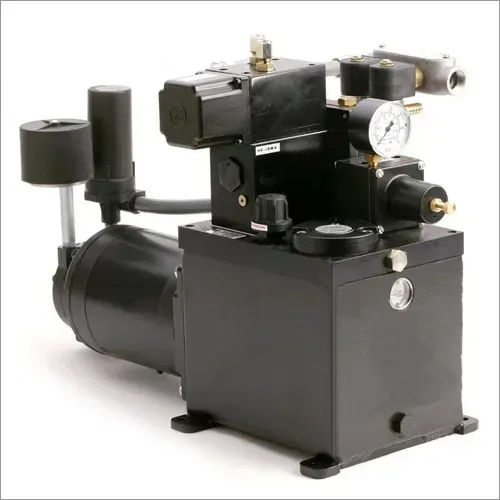
Pneumatic Hydraulic Web Guide Controller
Price 30000 INR / Unit
Minimum Order Quantity : 1 , , Unit
Color : All color available
Surface Treatment : Other, Powder Coated / Anodized
Drive Type : Electropneumatic drive
Features : High accuracy web guiding, userfriendly control panel, fast response, robust hydraulicpneumatic operation
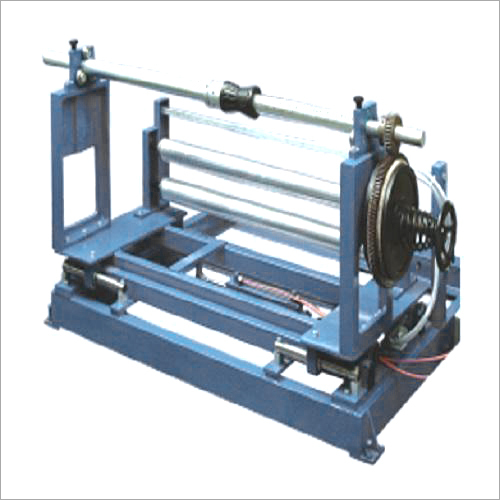
Web Guiding Unwinder Machine
Price 30000 INR / Unit
Minimum Order Quantity : 1 , , Unit
Color : All color available
Surface Treatment : Other, Powder Coated / Galvanized
Drive Type : AC Motor with Frequency Drive
Features : Auto Web Alignment, Digital Display, Heavy Duty Rollers, Easy Roll Change
Offset Pivot Web Guide System
Price 30000 INR / Unit
Minimum Order Quantity : 1 Unit
Color : All color available
Surface Treatment : Other, Powder Coated / Anodized
Drive Type : Integrated Motorized Drive
Features : Automatic Web Alignment, Control Panel, Low Maintenance, Fast Response

Contact Details
STAR ENGINEERING WORKS
Delhi, India
- B No-D-4/33, Gali No-4, Brijpuri, Gokulpuri, Opposite Yamuna Vihar,Delhi - 110094, India
- Phone :08045816653

 Send Inquiry
Developed and Managed by Infocom Network Private Limited.
